AI in Healthcare: Overcoming Common Misconceptions
Understanding AI in Healthcare
Artificial Intelligence (AI) is revolutionizing numerous industries, with healthcare being a prominent area of impact. However, despite its potential, there are several misconceptions surrounding AI in healthcare that need clarification. This blog post aims to address these misunderstandings and provide a clearer picture of AI's role in modern medicine.
Many people believe AI is about replacing healthcare professionals, but this is far from the truth. AI is designed to complement, not replace, the expertise of doctors and nurses. By handling repetitive tasks and analyzing large sets of data, AI allows healthcare providers to focus on patient care and decision-making.

AI's Role in Diagnostics
One common myth is that AI can diagnose patients without human intervention. While AI tools can assist in diagnostic processes, they are not a substitute for a trained medical professional. AI algorithms can quickly analyze medical images, identify patterns, and alert practitioners to potential issues. However, the final diagnosis and treatment plan should always involve a human expert.
For instance, AI systems in radiology can highlight abnormalities in X-rays or MRIs, making the process faster and more efficient. These tools help reduce human error and increase diagnostic accuracy, but the ultimate decision-making remains in the hands of medical professionals.
Data Privacy Concerns
Another misconception is that AI compromises patient data privacy. It's essential to understand that data security is a top priority in AI development. AI systems are designed with robust security measures to protect sensitive patient information. Moreover, regulations like HIPAA ensure that AI applications comply with strict privacy standards.

Healthcare providers and AI developers work closely to maintain data integrity and confidentiality. By using anonymized data and secure protocols, AI can enhance healthcare outcomes without compromising patient trust.
AI and Personalized Medicine
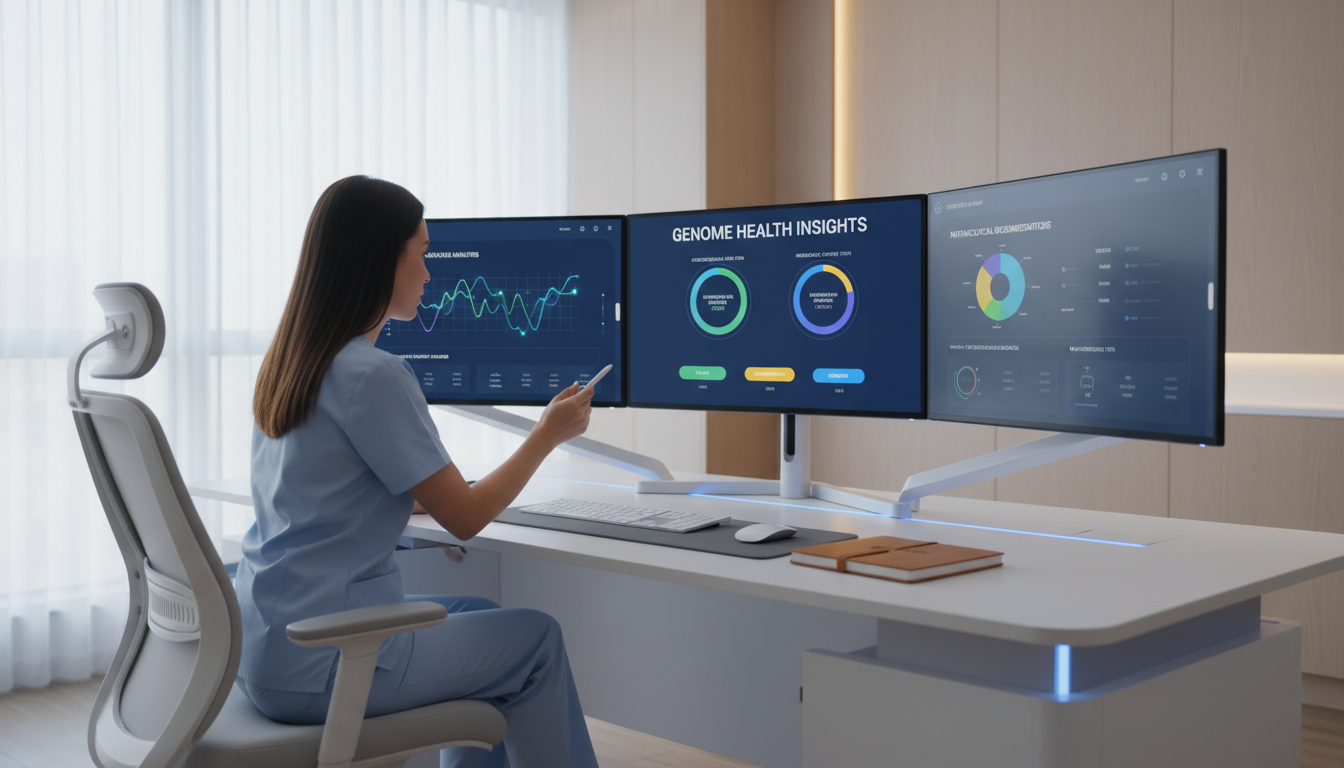
AI's ability to analyze vast amounts of data contributes significantly to the development of personalized medicine. However, some fear that AI might lead to a one-size-fits-all approach. In reality, AI enables more tailored treatments by analyzing genetic information, lifestyle factors, and medical history, thus providing targeted therapies that suit individual patient needs.
This approach enhances treatment efficacy and reduces the risk of adverse reactions, paving the way for more effective healthcare solutions.
The Future of AI in Healthcare
Looking ahead, AI's potential in healthcare is immense. From virtual health assistants to robotic surgeries, the possibilities are vast. However, it is crucial to continue addressing misconceptions and educating the public about AI's role. By fostering a better understanding, we can harness AI's full potential to transform healthcare for the better.
Ultimately, AI in healthcare is about enhancing human capabilities, improving patient outcomes, and creating a more efficient healthcare system. As technology advances, ongoing collaboration between healthcare professionals and AI developers will be key to realizing these benefits.