Debunking Myths: Common Misconceptions About Robotics Technology
The Rise of Robotics: A Double-Edged Sword?
Robotics technology is often seen as a futuristic marvel, yet it’s surrounded by a plethora of myths and misconceptions. Many people envision robots as either benevolent assistants or malevolent machines poised to take over the world. In reality, robotics technology is nuanced and multifaceted, and understanding it requires debunking some persistent myths.
Myth 1: Robots Will Take All Our Jobs
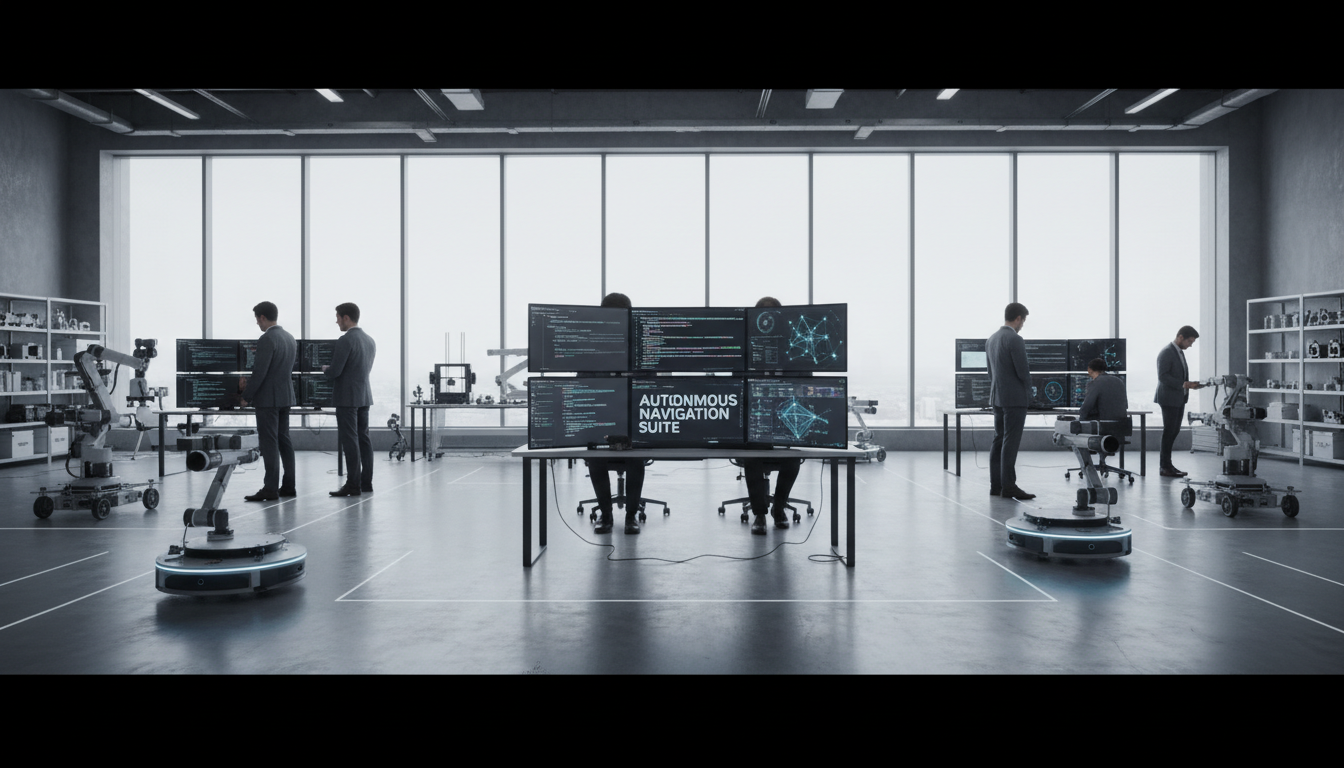
A common fear is that robots will lead to mass unemployment. While it's true that automation can replace certain tasks, it also creates new job opportunities. Industries are evolving, and new roles are emerging to manage, program, and maintain these machines. The key is adapting through education and reskilling, enabling workers to thrive alongside automation.
Furthermore, robots often handle mundane or dangerous tasks, allowing humans to focus on more complex, creative, and safer activities. This shift can lead to improved job satisfaction and increased productivity.
Myth 2: Robotics Technology Is Only for Large Corporations
Another misconception is that only big businesses can afford or benefit from robotics. In reality, robotics technology is becoming increasingly accessible. Many startups and small businesses are integrating robotic solutions to enhance efficiency and competitiveness.

Robotics can streamline operations across various industries, from agriculture to healthcare, providing scalable solutions that meet diverse needs. This democratization of technology enables smaller players to compete on a larger scale.
Myth 3: All Robots Are Intelligent
When people think of robots, they often imagine highly intelligent machines capable of independent thought. However, most robots operate based on pre-programmed instructions and are far from autonomous. While advancements in AI continue to improve robotic capabilities, true machine intelligence remains a work in progress.
The majority of robots perform specific tasks with precision and efficiency but lack the ability to adapt beyond their programming. Understanding this limitation can help manage expectations regarding what robots can and cannot do.
Myth 4: Robotics Technology Is Unpredictable and Dangerous
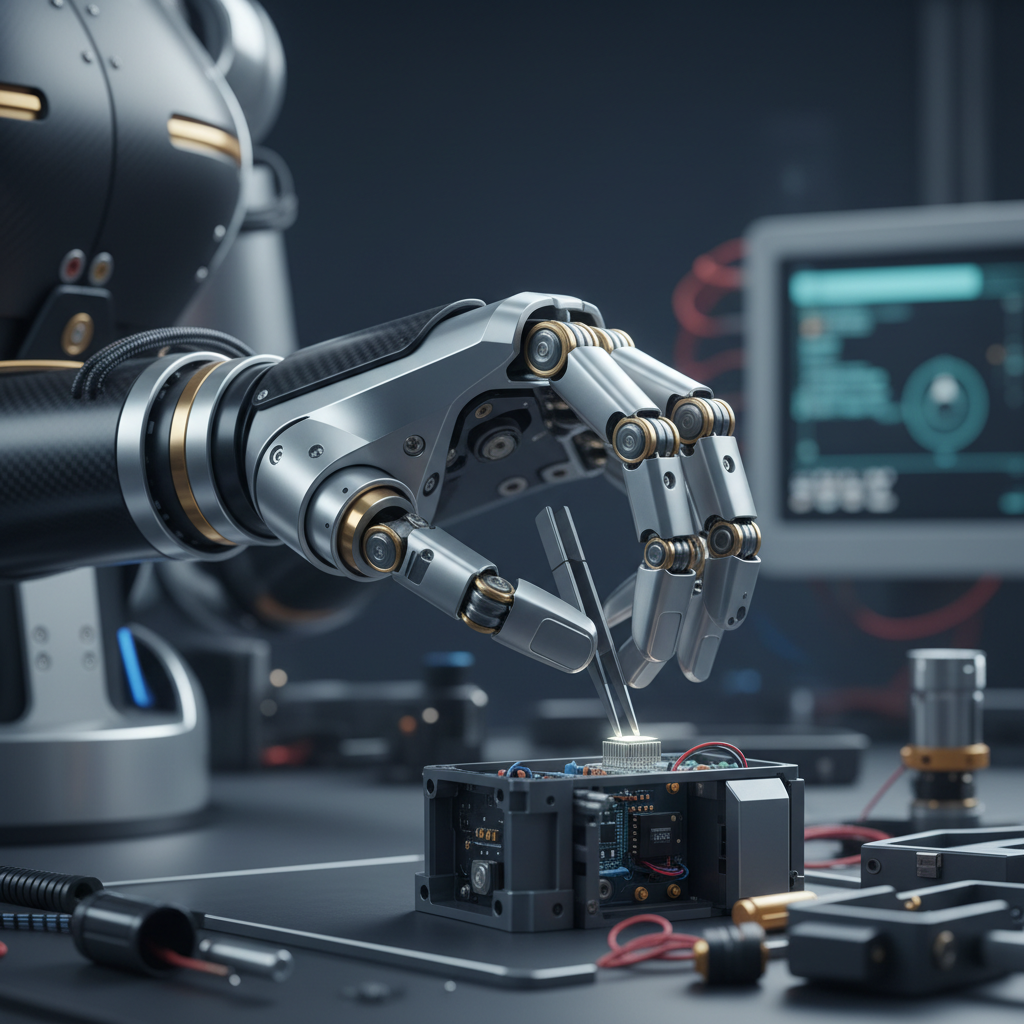
Some individuals worry that robots could malfunction and cause harm. In reality, robotics systems undergo rigorous testing to ensure safety and reliability. Engineers design these machines with numerous safeguards to prevent accidents and malfunctions.
Additionally, the implementation of standards and regulations across the robotics industry helps maintain high safety levels, ensuring that technology enhances human life rather than endangering it.
Conclusion: Embracing Robotics with a Clear Perspective
Debunking these myths is essential for embracing the potential of robotics technology. By understanding the realities and capabilities of robots, we can better integrate them into our daily lives and industries.
As robotics continues to evolve, staying informed and adaptable will be crucial. By doing so, society can harness the benefits of this technology, driving innovation and improving quality of life across the globe.