Preparing Your Business for AI: Seasonal Considerations and Tips
As artificial intelligence (AI) continues to revolutionize industries, businesses must adapt to leverage its capabilities effectively. Preparing your business for AI involves strategic planning and understanding the seasonal trends that could impact your implementation and usage. Here, we explore essential considerations and tips to ensure your business is ready for AI integration.
Understanding Seasonal Trends in AI Adoption
AI adoption is not a one-size-fits-all process. Different industries experience seasonal trends that can influence how and when AI should be implemented. For example, retail businesses might focus on AI adoption before the holiday season to enhance customer experiences, while agricultural businesses may align their AI strategies with planting and harvest cycles.

Being aware of these seasonal trends is crucial. It allows businesses to align AI deployment with periods of high demand or specific industry cycles, maximizing the benefits and minimizing disruptions.
Optimizing AI for Seasonal Demand
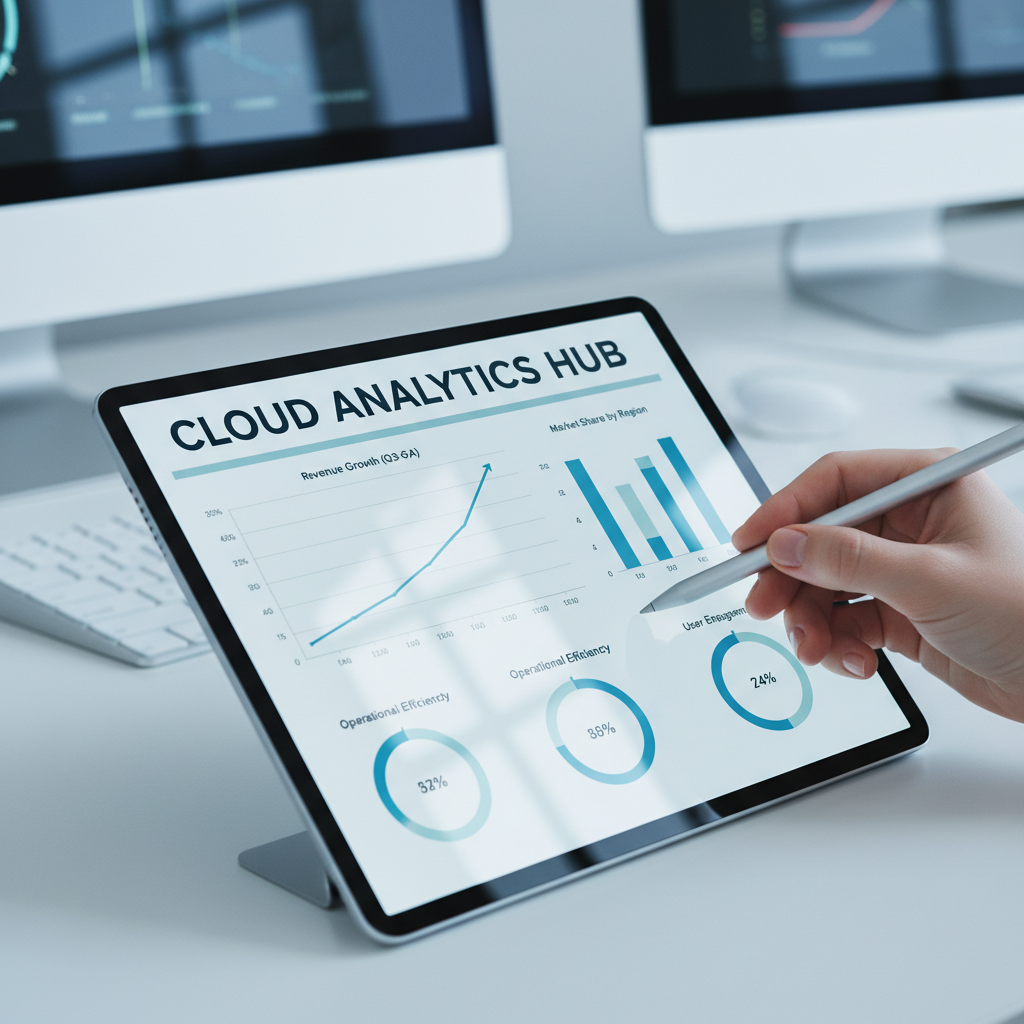
Once you understand the seasonal trends, the next step is optimizing AI systems to handle fluctuations in demand. This involves training AI models with data that reflects seasonal variations. For instance, predictive analytics tools can be calibrated to anticipate increased customer inquiries during peak shopping periods, ensuring optimal resource allocation.
Moreover, consider scaling your AI infrastructure to accommodate these demand shifts. Cloud-based AI solutions offer flexibility, allowing businesses to scale resources up or down as needed without significant upfront investment.
Enhancing Customer Engagement with AI
AI can significantly enhance customer engagement, especially during peak seasons. Chatbots and virtual assistants can provide 24/7 support, handling increased customer interactions efficiently. Designing these tools to address seasonal inquiries and promotions can further enrich customer experience.
Additionally, AI-powered personalization engines can tailor marketing efforts to align with seasonal themes, providing customers with relevant recommendations and offers. This personalized approach can drive sales and foster customer loyalty.

Ensuring Data Security and Compliance
As AI systems handle vast amounts of data, ensuring data security and compliance is paramount. During periods of increased AI activity, such as seasonal peaks, the risk of data breaches may rise. Implement robust security measures, including encryption and regular audits, to protect sensitive information.
Stay informed about the latest regulations and compliance standards related to AI and data privacy. This ensures your business remains compliant while leveraging AI technologies effectively.
Training and Supporting Your Team
Successful AI integration requires a knowledgeable team. Provide training sessions on AI tools and technologies, emphasizing their seasonal applications. This empowers your team to utilize AI effectively and adapt to changing demands.
Encourage continuous learning and collaboration, fostering an environment where employees can share insights and best practices. This collaborative approach can lead to innovative solutions and improved AI strategies.

In conclusion, preparing your business for AI involves understanding seasonal trends, optimizing systems for demand fluctuations, enhancing customer engagement, ensuring data security, and supporting your team. By addressing these areas, your business can harness the power of AI to achieve greater efficiency and competitiveness.