Preparing Your Business for AI Integration: A Step-by-Step Guide
Understanding the Importance of AI Integration
In today's fast-paced business environment, integrating Artificial Intelligence (AI) is no longer optional—it's essential. AI can streamline operations, enhance customer interactions, and provide valuable insights. As you embark on this journey, understanding its significance will guide you in making informed decisions.
AI technologies offer unprecedented opportunities for growth and efficiency. From automating repetitive tasks to providing personalized customer experiences, AI empowers businesses to operate smarter and faster.

Assess Your Current Capabilities
Before integrating AI, it's crucial to evaluate your current technological infrastructure. Assessing your existing systems will help you identify areas that could benefit from AI. Consider conducting a comprehensive audit of your IT capabilities and workforce skills to understand where AI can be most effective.
Identifying gaps in your current setup will enable you to tailor your AI strategy effectively. This ensures that the AI solutions you choose will complement and enhance your existing operations.
Define Clear Objectives
Setting clear, measurable goals is essential for successful AI integration. Determine what you want to achieve with AI, whether it's improving customer service, increasing operational efficiency, or enhancing data analysis. Clear objectives will guide your AI strategy and help measure its effectiveness.
Ensure that these goals align with your overall business strategy. This alignment will facilitate smoother integration and maximize the return on your investment in AI technologies.

Choose the Right AI Solutions
With countless AI tools available, selecting the right solutions for your business can be overwhelming. Consider your specific needs and objectives when evaluating AI vendors. Look for solutions that offer scalability, flexibility, and ease of integration with your current systems.
It's also beneficial to seek vendors with a proven track record and strong customer support. This will ensure a smoother transition and ongoing assistance as you adapt to new technologies.
Prepare Your Team
A successful AI integration requires buy-in from your team. Educate and train your employees on how AI can enhance their roles. Providing training sessions and resources will empower them to embrace these new technologies confidently.
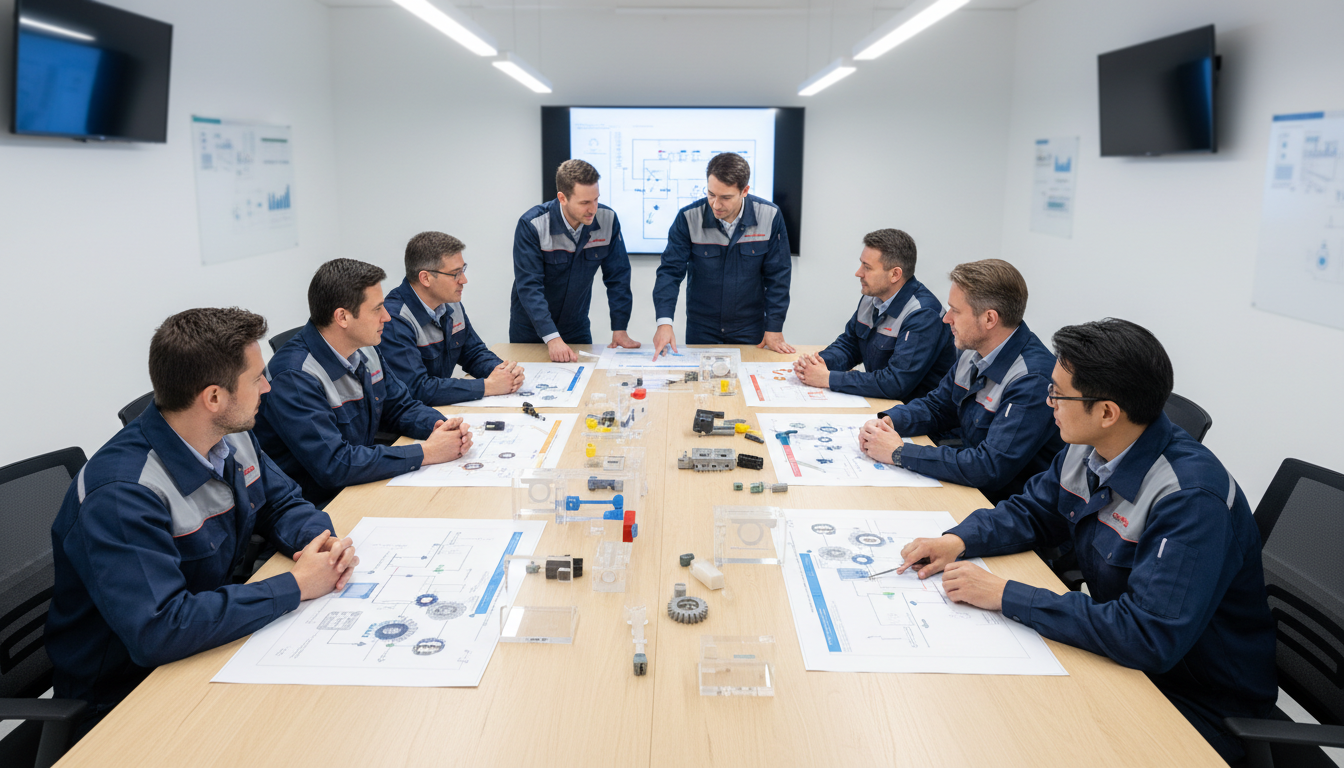
Encourage a culture of innovation and adaptability within your organization. By fostering an environment that embraces change, you'll be better positioned to leverage AI's full potential.
Monitor and Optimize
Once AI is integrated, continuous monitoring is essential. Regularly assess the performance of AI solutions to ensure they meet your established objectives. Use analytics and feedback to identify areas for improvement and optimization.
AI is a dynamic field, and staying updated on the latest advancements will help you maintain a competitive edge. Regularly revisit your AI strategy to incorporate new technologies and insights as they emerge.
Conclusion
Integrating AI into your business is a transformative step that requires careful planning and execution. By assessing your current capabilities, defining clear goals, selecting appropriate solutions, and preparing your team, you can successfully harness the power of AI. Continuous monitoring and optimization will ensure that your business remains agile and competitive in an ever-evolving landscape.